
When renting a home, it is customary, though not compulsory, for the tenant to provide a rental deposit (huurwaarborg). The deposit serves as security for the landlord and can be used to cover any damage to the property or to offset unpaid rent.
In Belgium, the maximum deposit is set by law. For a lease on a main residence signed after 1 January 2019, the maximum deposit is currently three months’ rent. This means the landlord may not ask for more than the equivalent of three months’ rent as a deposit.
The landlord may, however, ask for a lower deposit or depart from the maximum amount, but the deposit can never exceed three months’ rent.
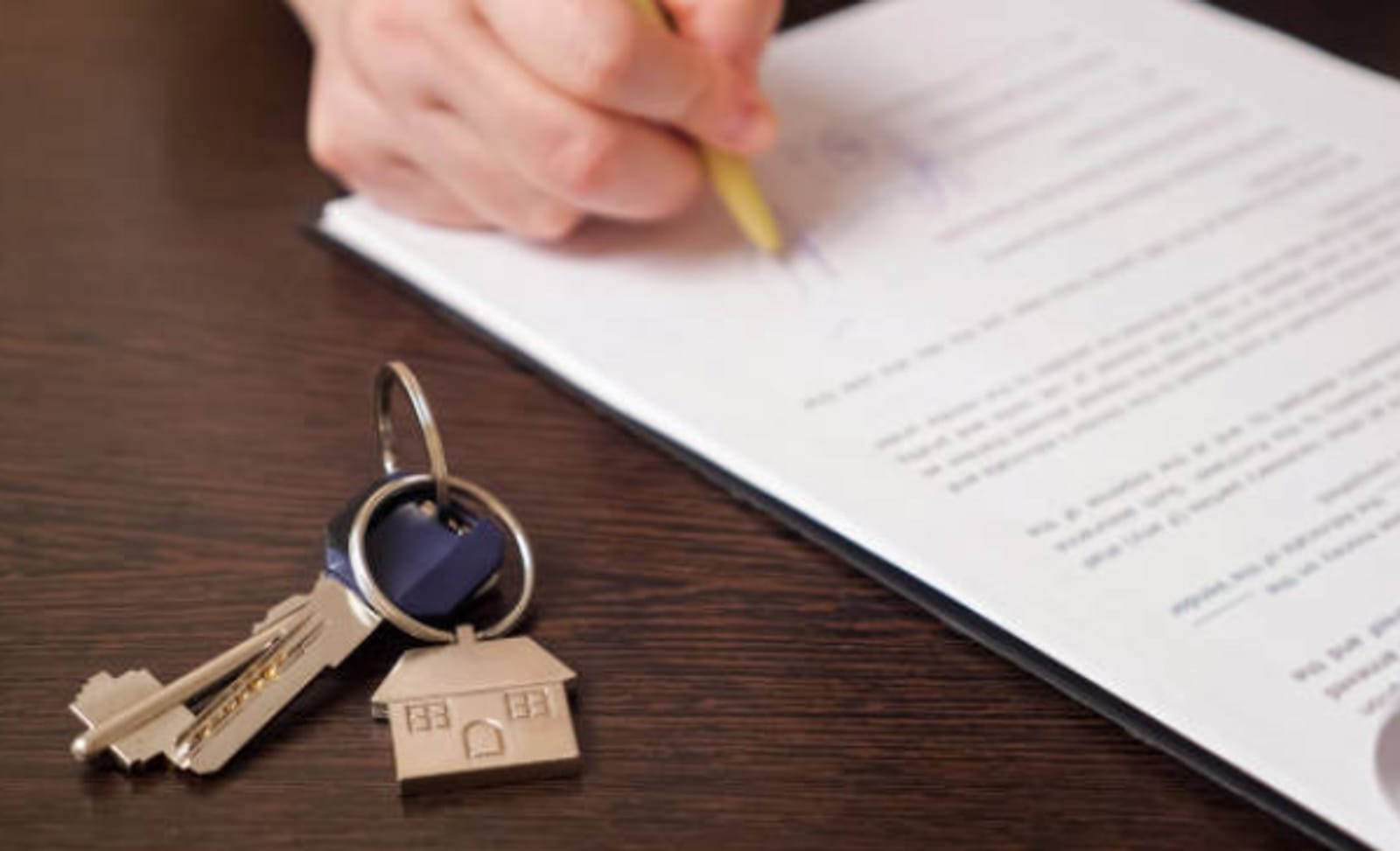
The exact amount of the deposit is usually set out in the tenancy agreement between tenant and landlord. It is important to discuss and agree on this carefully before the agreement is signed.
The tenant may choose how to provide the deposit (combinations are not possible):
- in a blocked bank account
- through a bank guarantee
- with the help of the OCMW (Public Social Welfare Centre)
- through a personal guarantor
When the lease ends, and after a check-out inventory (plaatsbeschrijving) recording any damage, the deposit is returned to the tenant, minus any compensation for damage or unpaid rent.
Please note: for a lease on a main residence signed before 1 January 2019, the deposit may be only 2 months’ rent.